
In today’s fast-paced business environment, efficiency and operational excellence are critical for success. Companies must manage customer relationships effectively while minimizing time and resource waste. Customer Relationship Management (CRM) systems have become vital tools for achieving these goals. By centralizing customer data, automating processes, and facilitating collaboration, CRM technology streamlines operations and enhances overall business efficiency.
Understanding CRM and Its Operational Impact
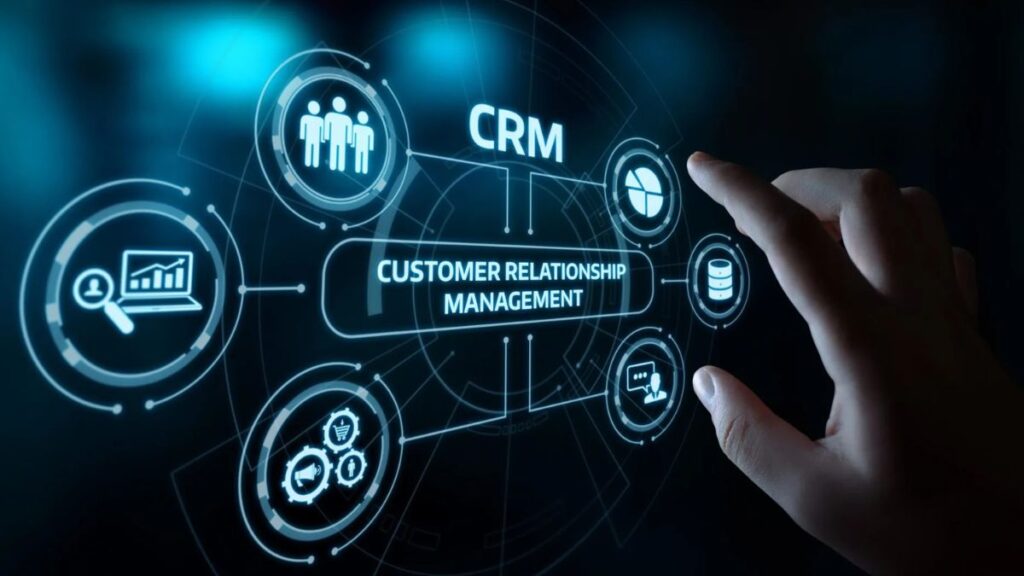
CRM systems are software platforms designed to manage interactions with customers throughout their lifecycle. Beyond storing contact information, modern CRM solutions integrate sales, marketing, and customer service functions into a single platform. This integration allows businesses to coordinate efforts across departments, reduce redundancies, and ensure that every customer interaction is productive and meaningful.
How CRM Streamlines Operations
- Centralized Data Management
CRM systems consolidate customer information from various sources—sales records, support tickets, email interactions, and social media. Centralized data eliminates silos, ensures accuracy, and provides teams with a complete view of each customer. This streamlined access saves time, reduces errors, and enables informed decision-making across the organization. - Automation of Routine Tasks
CRM platforms automate repetitive tasks such as follow-up emails, appointment scheduling, and lead tracking. Automation reduces manual workload, minimizes human error, and allows employees to focus on high-value activities. For example, sales teams can concentrate on closing deals, while support teams can prioritize complex customer issues instead of repetitive inquiries. - Optimized Workflow Management
By integrating sales, marketing, and support processes, CRM systems optimize workflows. Tasks can be assigned, tracked, and monitored within the platform, ensuring accountability and transparency. Streamlined workflows prevent bottlenecks, reduce duplication of effort, and improve overall operational efficiency.
Boosting Efficiency Across Departments
- Sales Efficiency
CRM solutions help sales teams prioritize leads, monitor deals through the sales pipeline, and access customer histories quickly. By reducing administrative tasks and providing actionable insights, CRM systems empower sales representatives to close deals faster and more effectively. - Marketing Efficiency
Marketing teams can leverage CRM data to segment audiences, deliver personalized campaigns, and track performance in real time. Automation ensures that campaigns reach the right customers at the right time, maximizing engagement while minimizing wasted resources. - Customer Service Efficiency
Support teams benefit from instant access to customer histories, enabling faster issue resolution. CRM platforms provide tools for ticket management, knowledge bases, and automated responses, ensuring that service is consistent, timely, and effective. Efficient customer support improves satisfaction and reduces churn.
Leveraging Analytics for Smarter Operations
Modern CRM systems include robust analytics and reporting features. Businesses can track KPIs, monitor performance, and identify inefficiencies across departments. Data-driven insights enable continuous improvement, allowing companies to refine processes, allocate resources strategically, and make informed operational decisions.
Integrating CRM for Maximum Impact
For CRM to truly streamline operations, it must be integrated across all departments. When sales, marketing, and support teams work from the same platform and share data, operations become cohesive and coordinated. Cross-department collaboration ensures that customer interactions are consistent, workflows are optimized, and efficiency gains are maximized.
Conclusion
CRM systems are no longer just tools for managing customer relationships—they are powerful platforms for streamlining operations and boosting efficiency. By centralizing data, automating routine tasks, optimizing workflows, and providing actionable insights, CRM technology helps businesses reduce errors, save time, and enhance productivity. Integrated across departments, CRM ensures that all teams work collaboratively toward common goals. In today’s competitive market, leveraging CRM to enhance operational efficiency is essential for sustained growth, improved customer satisfaction, and long-term success.