
In today’s competitive business landscape, understanding your customers is more critical than ever. Companies that leverage customer insights effectively are better positioned to create meaningful experiences, foster loyalty, and drive long-term growth. With the right data, analytics, and strategies, businesses can anticipate customer needs, personalize interactions, and strengthen relationships, ultimately boosting revenue and brand value.
This article delves into how businesses can unlock loyalty and growth through customer insights, exploring strategies, tools, and best practices that can transform the way companies engage with their audiences.
Understanding Customer Insights
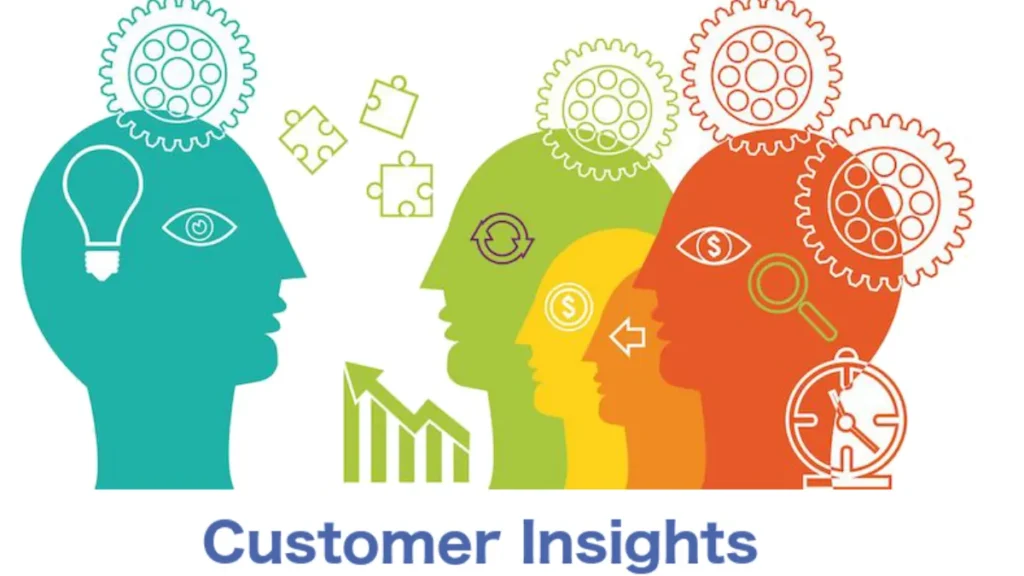
Customer insights are the actionable understandings gained from analyzing customer data. These insights go beyond basic demographic information, providing a deeper view into:
- Customer preferences and behaviors
- Buying patterns and decision-making processes
- Sentiments and perceptions about products or services
- Pain points and unmet needs
By harnessing these insights, businesses can tailor their offerings, communication, and experiences to align closely with customer expectations.
Why Customer Insights Matter
- Enhanced Personalization: Knowing your customers allows you to offer personalized experiences that resonate with their needs.
- Increased Customer Loyalty: Understanding and addressing customer preferences fosters trust and loyalty.
- Better Decision Making: Insights guide marketing, product development, and operational decisions.
- Revenue Growth: Targeted strategies based on customer data lead to higher conversion and retention rates.
- Competitive Advantage: Companies that leverage insights effectively can differentiate themselves in the market.
Customer insights are the foundation for strategies that drive loyalty, advocacy, and long-term growth.
Sources of Customer Insights
To effectively unlock loyalty and growth, businesses must gather insights from multiple sources:
- Transaction Data: Purchase histories, frequency, and spending patterns provide valuable information for targeting and segmentation.
- Customer Feedback: Surveys, reviews, and ratings highlight satisfaction levels and areas for improvement.
- Behavioral Data: Website analytics, app usage, and social media interactions reveal engagement trends and interests.
- CRM Data: Historical interactions and communications offer a holistic view of the customer journey.
- Market Research: Industry trends, competitor analysis, and customer demographics provide context for decision-making.
Integrating these sources allows companies to build a comprehensive understanding of their customers.
Strategies to Leverage Customer Insights for Loyalty
1. Personalize Customer Experiences
Using insights to personalize interactions strengthens engagement:
- Recommend products based on past purchases
- Send personalized emails or messages
- Tailor offers and discounts to customer preferences
Example: A retail brand using insights from past purchases to suggest complementary products increases both satisfaction and sales.
2. Segment Customers Effectively
Segmentation allows targeted strategies:
- Group customers by behavior, preferences, or demographics
- Develop tailored campaigns for high-value segments
- Focus retention efforts on at-risk customers
Segmentation ensures that engagement efforts are meaningful and impactful.
3. Predict Customer Needs
Predictive analytics helps anticipate customer behavior:
- Forecast when customers may churn
- Identify potential upsell or cross-sell opportunities
- Personalize marketing messages before customers seek alternatives
Proactive engagement increases loyalty and prevents revenue loss.
4. Implement Loyalty Programs Based on Insights
Loyalty programs become more effective when guided by insights:
- Identify which rewards or incentives resonate most with different segments
- Personalize reward schemes to individual customer preferences
- Track program performance to optimize engagement
Well-designed programs incentivize repeat purchases and strengthen emotional connections with the brand.
5. Enhance Customer Support Using Insights
Insights can improve support and satisfaction:
- Analyze past interactions to provide faster and more effective responses
- Anticipate common issues and proactively address them
- Implement self-service options based on frequently asked questions
Efficient and empathetic support fosters trust and loyalty.
6. Optimize Marketing Campaigns
Marketing strategies guided by customer insights deliver higher ROI:
- Target the right audience with relevant messages
- Choose optimal channels and timing for campaigns
- Continuously test and refine campaigns based on engagement data
Data-driven campaigns improve conversion rates and customer retention.
7. Improve Product Development
Customer insights inform product innovation:
- Identify features or services most valued by customers
- Detect unmet needs and develop solutions to address them
- Prioritize product updates or new offerings based on customer demand
Products aligned with customer preferences naturally enhance satisfaction and loyalty.
8. Leverage Social Media Insights
Social media platforms provide real-time feedback and sentiment analysis:
- Monitor customer conversations about your brand
- Identify emerging trends or concerns
- Engage with customers directly to build stronger relationships
Active social engagement strengthens brand perception and loyalty.
9. Measure and Track Customer Loyalty Metrics
Quantifying loyalty allows continuous improvement:
- Net Promoter Score (NPS) to gauge customer advocacy
- Customer Lifetime Value (CLV) to measure profitability
- Retention rates to track repeat engagement
Regular monitoring ensures strategies remain effective and aligned with customer expectations.
10. Foster a Customer-Centric Culture
Customer insights are most effective when integrated into the company culture:
- Train employees to use data in decision-making
- Encourage proactive engagement and personalized interactions
- Reward teams for initiatives that enhance loyalty and satisfaction
A customer-centric culture ensures insights translate into meaningful actions.
Next-Gen Tools to Capture Customer Insights
- AI and Machine Learning: Analyze behavior patterns and predict needs
- Data Analytics Platforms: Aggregate and visualize customer data
- Customer Feedback Software: Collect and analyze opinions in real-time
- Behavioral Analytics Tools: Track website and app interactions
- Social Listening Platforms: Monitor brand mentions and sentiment online
Integrating these tools allows businesses to make informed decisions and engage customers effectively.
Challenges in Leveraging Customer Insights
- Data Overload: Large volumes of data can be overwhelming without proper analytics tools.
- Integration Issues: Data from multiple sources may be fragmented or inconsistent.
- Privacy Concerns: Collecting and using data must comply with regulations.
- Employee Adoption: Teams must understand how to interpret and act on insights.
Overcoming these challenges is key to unlocking the full potential of customer insights.
Benefits of Using Customer Insights
- Increased Retention: Tailored experiences and proactive engagement reduce churn.
- Higher Customer Satisfaction: Understanding preferences allows for relevant and timely interactions.
- Revenue Growth: Insights guide upselling, cross-selling, and targeted campaigns.
- Stronger Brand Advocacy: Satisfied customers are more likely to refer others.
- Operational Efficiency: Data-driven decisions streamline processes and optimize resources.
FAQs: Unlocking Loyalty And Growth Through Customer Insights
1. What are customer insights?
Customer insights are actionable understandings derived from analyzing customer data, behaviors, and preferences to improve engagement and loyalty.
2. How do customer insights drive loyalty?
Insights allow businesses to personalize experiences, anticipate needs, and reward engagement, fostering trust and repeat interactions.
3. What types of data provide customer insights?
Transactional data, behavioral analytics, feedback, CRM data, and social media activity are key sources of insights.
4. How can small businesses leverage customer insights?
Even small businesses can use affordable analytics and feedback tools to understand preferences and tailor interactions for improved loyalty.
5. What tools help capture customer insights?
AI, data analytics platforms, customer feedback software, behavioral analytics tools, and social listening platforms are effective for capturing insights.
6. Can customer insights improve marketing campaigns?
Yes, insights help target the right audience, personalize messages, and optimize campaign timing for higher engagement and conversions.
7. How do loyalty programs benefit from insights?
Insights help design reward systems that resonate with customer preferences, increasing participation and satisfaction.
8. What role does predictive analytics play?
Predictive analytics anticipates customer behavior, allowing proactive engagement and retention strategies.
9. How can insights improve customer support?
By analyzing past interactions and common issues, businesses can provide faster, personalized, and effective support.
10. What is the long-term benefit of using customer insights?
Businesses gain higher retention, increased revenue, stronger brand advocacy, and a competitive edge in the market.
Conclusion
Unlocking loyalty and growth through customer insights is a transformative strategy for businesses in every industry. By collecting, analyzing, and acting on customer data, companies can personalize interactions, predict needs, enhance satisfaction, and foster long-term loyalty.
Next-gen tools, from AI and predictive analytics to social listening and feedback platforms, provide the technology backbone to capture and leverage insights effectively. When combined with a customer-centric culture, these insights not only enhance engagement but also drive sustainable growth and operational efficiency.
In today’s competitive marketplace, businesses that prioritize understanding their customers are the ones that will thrive, creating meaningful relationships that lead to loyalty, advocacy, and lasting success.