
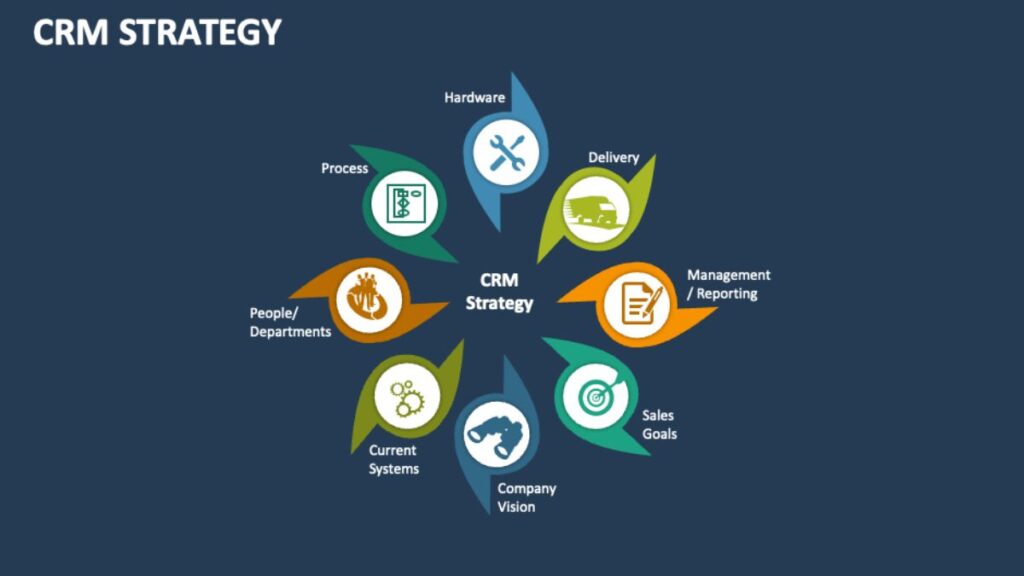
In today’s competitive marketplace, businesses can no longer rely solely on products or pricing to retain customers. Building lasting relationships and delivering personalized experiences are crucial for driving sales and fostering loyalty. Customer Relationship Management (CRM) strategies provide a structured approach to achieving these goals. By leveraging CRM tools and data, businesses can optimize their sales processes, enhance customer engagement, and strengthen brand loyalty.
Understanding CRM Strategies
CRM strategies are plans and practices designed to manage interactions with customers across all touchpoints. They combine technology, data analysis, and communication to create meaningful experiences. Effective CRM strategies help businesses anticipate customer needs, respond proactively, and personalize interactions, leading to increased sales and long-term loyalty.
Key CRM Strategies to Boost Sales
- Segmentation and Personalization
Segmenting customers based on demographics, purchase behavior, and preferences allows businesses to tailor marketing messages and offers. Personalized campaigns are more likely to capture attention, improve engagement, and drive conversions. For example, recommending products based on past purchases or sending exclusive offers on a customer’s birthday can significantly increase sales opportunities. - Automated Lead Management
CRM systems automate lead tracking, scoring, and follow-ups, ensuring that no potential opportunity is overlooked. Automation enables sales teams to prioritize high-potential leads and focus on closing deals efficiently. By streamlining these processes, businesses can increase conversion rates and reduce the time spent on administrative tasks. - Sales Pipeline Monitoring
A clear view of the sales pipeline allows managers to track deals at every stage. By identifying bottlenecks, allocating resources effectively, and providing timely guidance, businesses can optimize the sales process. CRM analytics also help predict revenue, set realistic targets, and implement strategies that maximize growth.
CRM Strategies to Enhance Customer Loyalty
- Proactive and Consistent Communication
Maintaining regular, relevant communication strengthens customer relationships. CRM platforms enable automated emails, reminders, and notifications to keep customers informed and engaged. Proactive outreach, such as alerting customers about promotions or new products, demonstrates attentiveness and builds trust. - Feedback Collection and Action
Actively seeking customer feedback through surveys, reviews, or social media interactions provides valuable insights into customer satisfaction and areas for improvement. Acting on this feedback shows that the business values customer opinions, fostering loyalty and repeat engagement. - Loyalty Programs and Rewards
CRM systems can manage personalized loyalty programs that reward repeat customers. Points systems, exclusive discounts, or early access to new products encourage continued engagement. Loyal customers are also more likely to recommend the brand to others, expanding the customer base organically.
Leveraging Analytics for Continuous Improvement
Modern CRM solutions offer robust analytics tools that track sales performance, customer behavior, and campaign effectiveness. Data-driven insights allow businesses to refine their strategies, optimize engagement, and identify new opportunities for growth. By continuously analyzing results, companies can ensure that both sales and loyalty initiatives remain effective and relevant.
Integrating CRM Across Departments
For maximum impact, CRM strategies must be applied across all customer-facing departments—sales, marketing, and customer support. Integration ensures consistent communication, shared insights, and coordinated efforts. When teams collaborate effectively, customers enjoy a seamless experience, which strengthens relationships and drives loyalty.
Conclusion
Effective CRM strategies are essential for businesses aiming to boost sales and cultivate long-term customer loyalty. By focusing on segmentation, personalization, automation, proactive communication, and data-driven insights, companies can optimize their operations and create meaningful customer experiences. In a marketplace where expectations are constantly evolving, well-executed CRM strategies empower businesses to build trust, enhance engagement, and achieve sustainable growth.